
Austin has no shortage of contractors. Drive through any neighborhood, from Tarrytown to South Congress to Mueller, and you’ll see yard signs, truck decals, and Google ads promising beautiful results at fair prices. Some of those contractors will deliver exactly that. Others will blow your budget, go quiet for weeks, and leave you with problems that cost more to fix than the original project.
The difference isn’t always obvious upfront. Most homeowners judge contractors by their photos and their price. Neither tells you much about how they will actually run a project.
The builders who consistently deliver great results have clear processes, honest communication, and documented answers to every question below. The ones who get defensive, vague, or evasive when you ask these questions are showing you something important.
Below are some questions that matter most when hiring a contractor in Austin, TX, and what good answers sound like.
10 Questions to Ask Before Hiring Any Contractor
1. Are you licensed, insured, and bonded in Texas?
This is the floor, not the bar. Texas requires residential contractors to hold a valid license through the Texas Department of Licensing and Regulation (TDLR). General liability insurance protects your property if something goes wrong. A surety bond provides a financial backstop if a contractor abandons the job.
What a good answer looks like: A direct yes, followed by the willingness to provide documentation before you sign anything. Any hesitation here is a dealbreaker, not a yellow flag…a red one!
2. How do you handle estimates?
A lump-sum number with no breakdown tells you almost nothing. You don’t know what’s included, what’s excluded, or where the number came from. When surprises hit mid-project, you have no baseline to push back against.
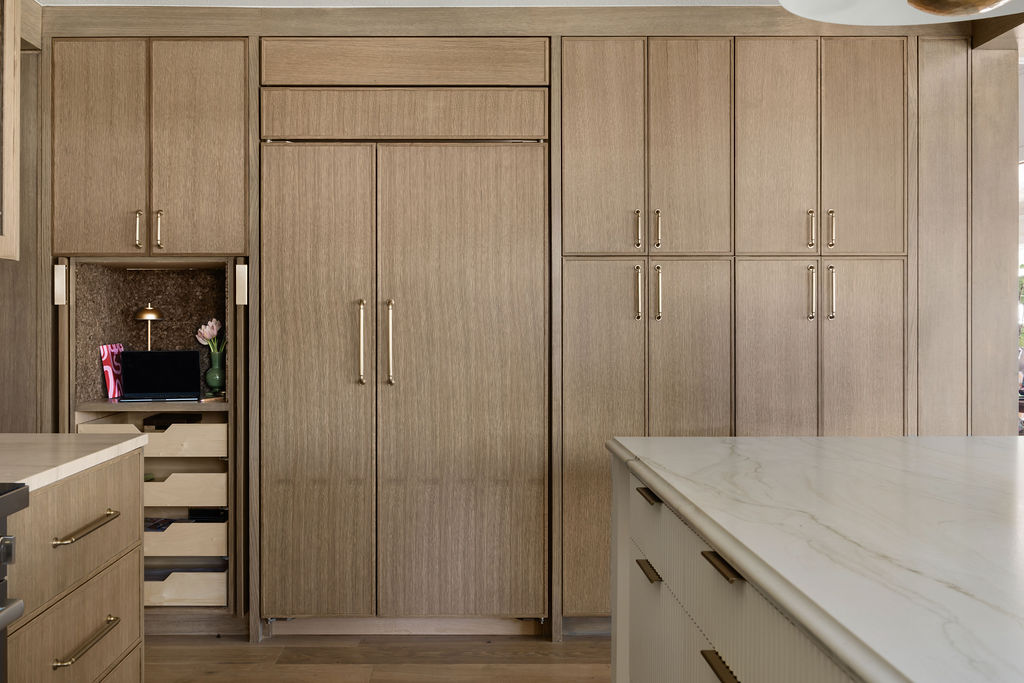
What a good answer looks like: An itemized estimate broken down by trade, framing, electrical, plumbing, tile, cabinetry, and so on. This approach makes it possible to compare apples to apples across bids, and it holds the contractor accountable to specific line items rather than a black-box total. Our target at Skelly Build is 95% estimate accuracy, and we always plan for contingencies. That kind of precision only happens when you’re working from detailed, trade-by-trade breakdowns from the start.

Skelly Build Estimators
3. How do you price your work, fixed price or cost-plus?
These are two fundamentally different arrangements, and you should understand both before agreeing to either.
A fixed-price contract locks the contractor to a number. If new additions enter after the contract is signed, a change order will be introduced and a new price agreed upon. A fixed price contract gives you better budget certainty, although surprises do sometimes get discovered in the walls that exceed contract contingency amounts, which means hard choices might have to be made to preserve budget.
A cost-plus contract means you pay actual costs plus a management fee or percentage. In a cost-plus contract, you see every invoice, but your final cost depends on how much time the project actually takes, surprises and all.
What a good answer looks like: A contractor who can explain both models clearly, tell you which they use and why, and walk you through how overages are handled in either case. What you don’t want is a contractor who can’t explain the structure of their own contract.
4. What does your communication process look like during construction?
The number one complaint homeowners have about contractors isn’t bad quality work. It’s being left in the dark. Projects stall, decisions get made without you, and by the time you find out, it’s too late to change course.
What a good answer looks like: A defined cadence, not “we’ll be in touch when something happens.” Look for specifics: how often will you receive updates, through what channel, and who is your single point of contact? Skelly Build uses BuilderTrend project management software to send clients two to three progress updates per week. The project manager is on-site three times a week. You’re not waiting and wondering; you’re in the loop on a schedule.
5. Who will actually be on my job site?
“Our team” can mean a dozen different things. Some contractors use the same specialized crews on every job. Others pull whoever is available, which often means different people showing up at different stages with no continuity.
What a good answer looks like: Named or described trade teams who work together regularly. Specialization matters in construction. A tile team that has done hundreds of installations will produce better work, faster, than a generalist who does tile when there’s nothing else going on. Ask specifically whether subcontractors are vetted, consistent, and coordinated by a single project manager.
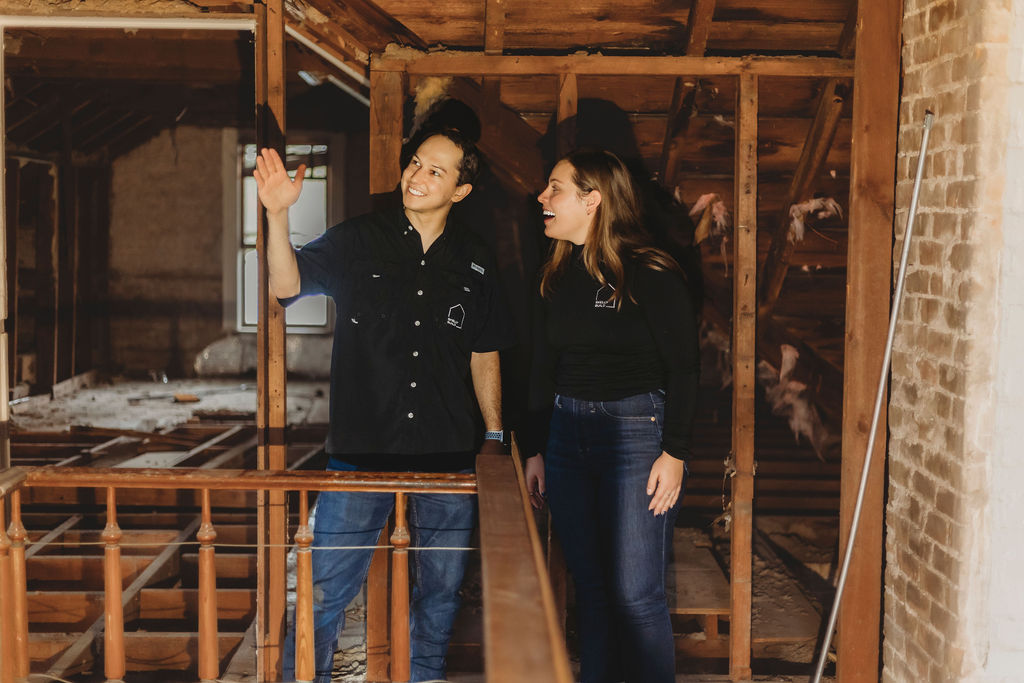
Skelly Build PMs
6. Do you handle permitting, or is that on me?
In Austin, permits are required for most structural work, additions, and significant remodels. The permitting process involves submitting plans, scheduling inspections, and managing communication with the city. Homeowners who don’t realize permitting is their responsibility often find out the hard way during a sale of the home or sometimes after a failed inspection.
What a good answer looks like: The contractor handles permitting in-house, or has a defined process for managing it. At Skelly Build, permitting is managed internally by Alex Siminski, who serves our firm’s dedicated permitting expert. That’s not an afterthought, it’s a named role on our team.
7. What warranties do you offer?
A contractor who won’t stand behind their work after the project closes isn’t someone you want in your home in the first place. Warranty terms vary widely, and vague language like “we’ll take care of it” doesn’t hold up when something goes wrong six months later.
What a good answer looks like: Written warranty coverage with specific terms. Skelly Build provides a one-year workmanship warranty, a two-year systems warranty (covering mechanical, electrical, and plumbing), and a six-year structural warranty. That’s the kind of tiered coverage that reflects how different elements of a home age and how issues tend to surface over time.
8. Can I see a project similar to mine?
Every builder has a portfolio. The question is whether they have documented experience with your specific project type, whether that’s a kitchen remodel, a second-story addition, an ADU build, or a full custom home.
What a good answer looks like: Photos and references from projects that match yours in scope, style, and complexity. A builder with 200+ completed projects should be able to do this without stretching. If they keep showing you the same three glamour shots or redirect you to projects that don’t resemble what you’re planning, press further.
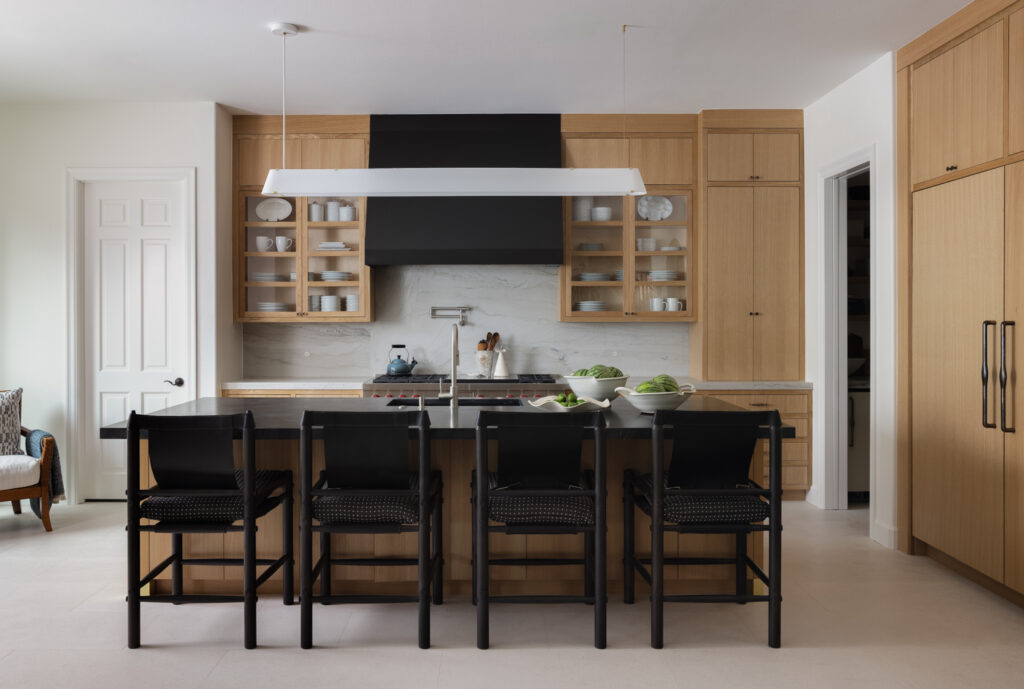
Skelly River Place Residence Austin, Texas
9. What happens when something unexpected comes up mid-project?
It will. In construction, especially in older Austin homes, surprises like hidden water damage, outdated wiring, or structural issues are routine. How a contractor handles the unexpected tells you everything about how the project will feel when it gets hard.
What a good answer looks like: A documented change order process. Before any additional work begins, you should receive a written scope change with revised costs and timeline impact for your approval. No surprises, no verbal agreements, no retroactive bills. The best contractors build contingency conversations into the pre-construction process so clients aren’t blindsided when the first issue surfaces.
10. What’s your current workload, and when could you start?
A good contractor in Austin is usually booked out. That’s not a warning sign, it’s often a signal you’ve found someone worth waiting for. What you want to understand is how many projects they’re running simultaneously and how that affects your timeline and their attention to your project.
What a good answer looks like: Honesty about current capacity and a realistic start date, not whatever it takes to get you to sign. Ask specifically whether your project manager will be stretched across multiple large jobs at once. You want a team that is present on your project, not one managing it from afar while their attention is divided six ways.
Red Flags That Should End the Conversation
Some answers (or the absence of them) should stop the process entirely.
- No written contract offered. Every legitimate project needs a signed contract before work begins. Handshake deals protect no one.
- Pressure to decide immediately. Real confidence doesn’t come with a countdown timer.
- No physical address or verifiable business history. A truck, a phone number, and a Facebook page is not a company.
- Vague or defensive answers about insurance. Ask to be listed as an additional insured on their policy and watch what happens.
- Cash-only or payment up front in full. A 10-15% reasonable deposit is standard. Full payment before work starts is not.
- No references from completed projects. Past clients are the most honest signal you have. Any reluctance to provide them is telling.
- Full payment due before punch list. A good project will let you walk the project, create a punch list, and fix those punch list items prior to final payment being issued.
Frequently Asked Questions
How many contractors should I get bids from before hiring? Three is a reasonable benchmark for most projects. It gives you enough range to spot outliers, both suspiciously low bids and unusually high ones, without spending weeks in the comparison process. More important than the number of bids is the quality of the questions you ask each one.
Is it normal for a contractor to ask for a deposit before starting? Yes. A deposit of 10-15% of the project total is standard practice and helps cover early material costs and scheduling. What isn’t normal is a contractor asking for most or all of the project cost before work begins. Payment schedules tied to project milestones are the professional standard.
What’s the biggest mistake Austin homeowners make when hiring a contractor? Choosing based on price alone, which is an understandable impulse! Construction projects are expensive, and a lower bid can feel like savings. But contractors who come in significantly below others are often cutting somewhere: crew quality, materials, project management, or contingency. Homeowners who prioritize the lowest number often spend considerably more correcting problems after the fact. The better question isn’t “who costs less,” it’s “who can I trust to deliver what they promise?”
Ready to Talk to a Builder Who Can Actually Answer These Questions?
We started Skelly Build because we believe construction can be done differently, with honesty, clear communication, and systems that actually protect the homeowner. We’ve completed more than 200 projects across Austin since 2017, and every one of them was built on a foundation of a real process, not just on pretty pictures!
If you’re planning a remodel, addition, or custom build and you want a team that will give you straight answers about timelines, costs, and processes, we’d love to hear from you.
Call us: 512.520.5523 Email: letsbuild@skellybuild.com Visit: 4361 S Congress Ave #104, Austin, TX 78745