
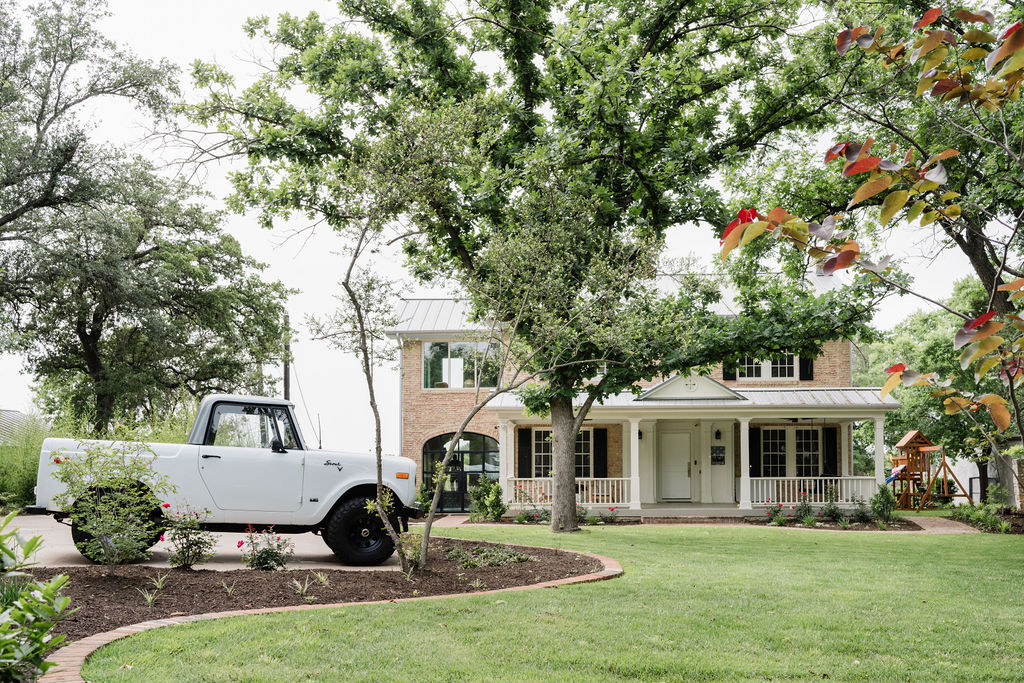
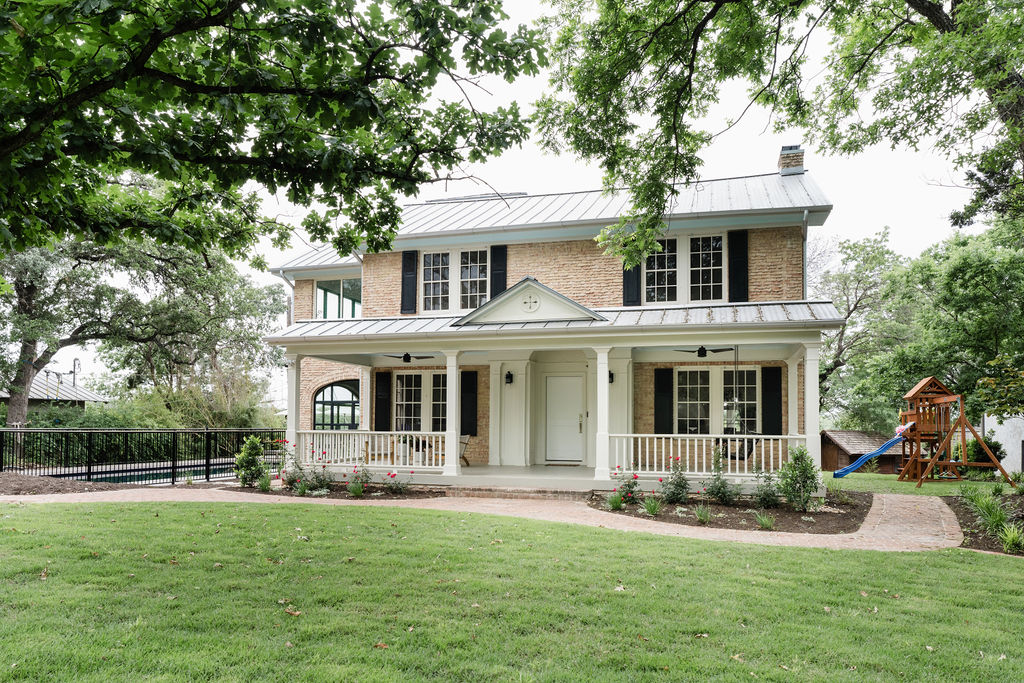
Austin’s older neighborhoods are some of the most sought-after addresses in the city. Hyde Park bungalows, Tarrytown colonials, Cherrywood cottages, Rosedale craftsmans, Bouldin Creek frames: these homes carry a character that newer construction simply has trouble replicating.
However, renovating one of these historic homes is a different kind of project. The surprises are real, the regulatory landscape can be complicated, and the decisions of what to preserve versus what to replace require experience that goes well beyond standard remodeling work. This guide walks through what homeowners in Austin’s older neighborhoods actually face when they decide to renovate.
SkellyTravisHeightsDigs
Why Historic Home Renovation Is Different From a Standard Remodel
Walk into a home built in the 1940s or 1950s and open the walls, and you are not looking at the same picture you’d find in a 2005 suburban build. The materials, the systems, the structural logic were all built to standards and practices that no longer exist.
That is not necessarily a problem but just a fact you have to plan for.
Older Austin homes were built with old-growth lumber that is often denser and more durable than modern dimensional lumber. Plaster walls behave differently than drywall and require different repair techniques. Rooflines and framing were sometimes custom-cut on site, which means nothing follows standard modern dimensions. Add decades of previous owner modifications, (some permitted, some not) and every project carries a layer of discovery work before real construction can begin.
With all of these variables, the difference between a contractor who has worked on a historical home and one who hasn’t shows up quickly!

SkellyTravisHeightsDigs
Austin Historic District vs. Historic Landmark: What You Need to Know
Before starting any renovation project on an older Austin home, it is worth understanding whether or not your property falls under a formal historic designation. The answer determines what kind of review process your project will require.
The City of Austin’s Historic Preservation Office distinguishes between two primary categories: Historic Landmarks and Historic Districts.
Historic Landmarks are individual properties that have been formally designated for their historical, architectural, or cultural significance. Alterations to a landmark require review before permits are issued.
Historic Districts are geographically designated areas that contain concentrations of historically significant properties. Austin also recognizes National Register Districts, which are federally designated and subject to local review requirements as well.
If your property falls within any of these designations, the following types of work typically require a historic review application:
- Exterior alterations
- Additions
- Permanent site work
- Signage
- New ground-up construction on a landmark property or within a designated district
Review applications are submitted through the City’s Austin Build + Connect portal, and the Historic Landmark Commission oversees the process. Design standards governing what changes are permitted depend on when your district was designated: properties in districts designated after November 2022 follow the updated Historic Design Standards (revised November 2022), while earlier districts follow their own district-specific standards.
If you are not sure whether your home carries a designation, the City offers a Historic Property Viewer tool to check. You can also contact the Historic Preservation Office directly at 512-974-3393 or visit austintexas.gov/department/historic-preservation for current application deadlines and requirements.
It is important to note: many of Austin’s most beloved older neighborhoods, including parts of Hyde Park, Cherrywood, and Bouldin Creek, contain a mix of landmark-designated properties, contributing structures in historic districts, and homes that are simply old but carry no formal designation. The rules are different in each case. Knowing which category your property falls into is the starting point for any serious renovation plan.
The Most Common Challenges Inside Austin’s Older Homes
The challenges in older Austin homes tend to cluster around a predictable set of systems and materials. Experienced builders know to budget and plan for them from the start.
Electrical: Knob-and-Tube Wiring
Homes built before the 1950s frequently contain knob-and-tube wiring, an early electrical system that predates modern grounding standards. It is not automatically dangerous, but it is also not compatible with modern loads: think HVAC systems, modern appliances, and the general electricity demand of a 21st-century household. Most full renovations of homes in this age plan for a complete electrical upgrade.
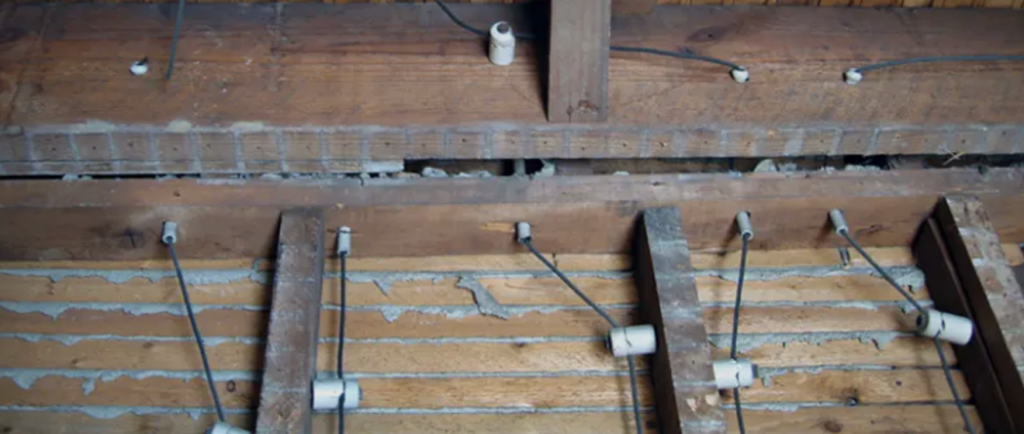
knob and tube wiring
Plumbing: Galvanized Steel Pipe
Galvanized steel pipe was standard in Austin homes through much of the mid-20th century. It corrodes from the inside out, progressively narrowing water flow and eventually failing. If a home still has its original galvanized supply lines, replacement with copper or PEX is typically part of any serious renovation scope.
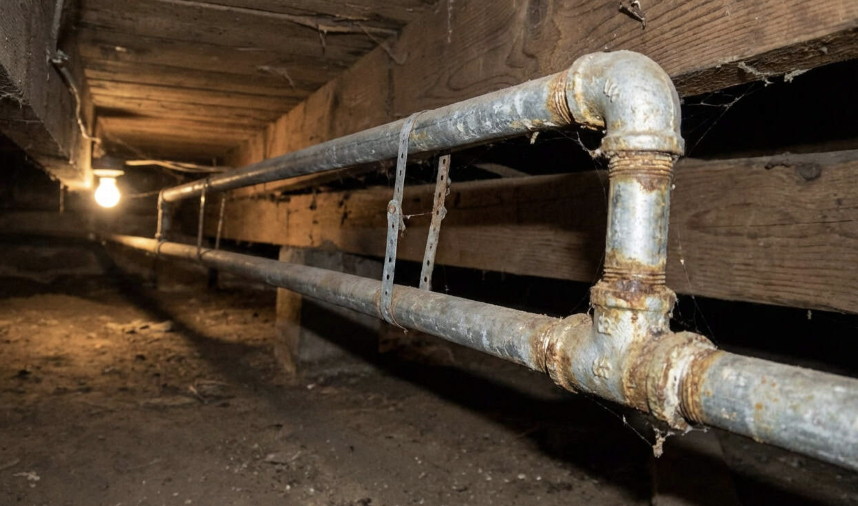
galvanized steel pipe
Foundation: Pier-and-Beam
Most of Austin’s pre-1960 housing stock sits on pier-and-beam foundations rather than slab. Pier-and-beam has genuine advantages; it allows access to plumbing and the subfloor from below and is often easier to repair than slab. But it also settles over time, which means floors can be uneven, beams may need sistering, and any renovation that involves floor work usually starts with a foundation assessment.
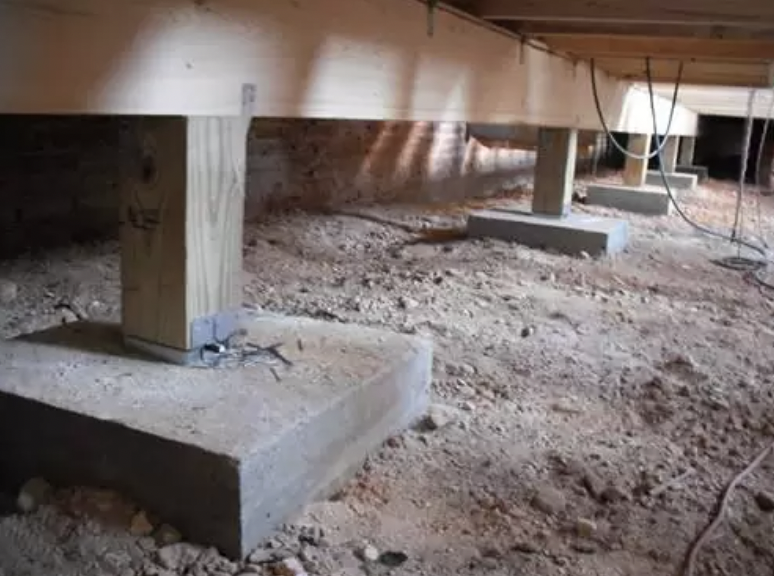
pier and beam foundation
Hazardous Materials in Pre-1978 Homes
Any home built before 1978 may contain lead-based paint. Any home with original building materials from before the mid-1980s may contain asbestos in insulation, floor tiles, joint compound, or roofing. This is not a reason to avoid renovation,but it is important to test before you demolish. Proper identification and abatement protects everyone on the job site and is required by federal law for contractors working in pre-1978 homes.

lead based paint
Load-Bearing Wall Assumptions
Older homes were not always built according to predictable structural logic by modern standards. What looks like a partition wall may be carrying roof load. What looks like it should be structural may not be. Before opening up floor plans in an older home, structural assessment is imperative.
load bearing wall
What Typically Stays, and What Gets Replaced
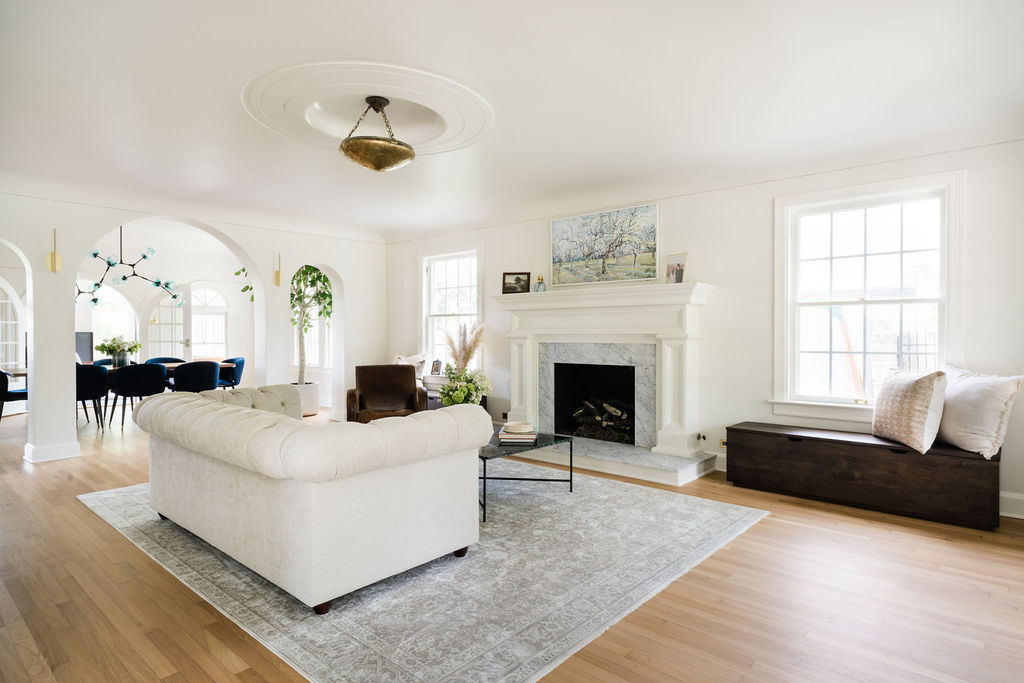
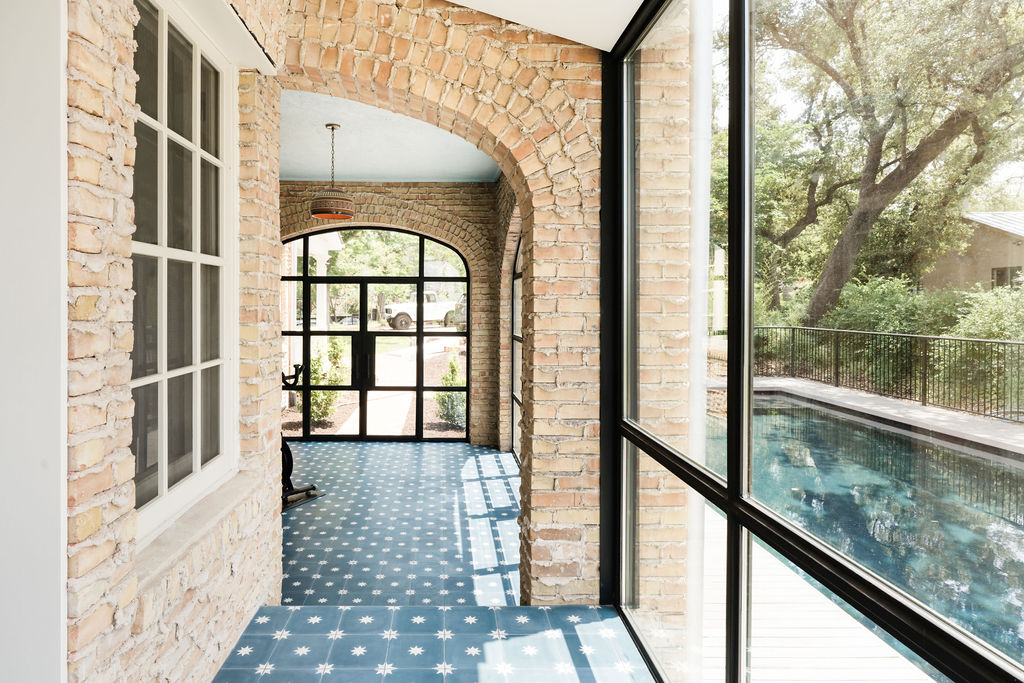
One of the most satisfying aspects of renovating an older Austin home is that much of what makes it worth renovating is also the most durable. Original old-growth hardwood floors, when they haven’t been over-sanded or covered, are often in better condition than anything you could install new today. Craftsman millwork, the wide casings, the built-in cabinetry, the chunky base molding, can all be difficult and expensive to replicate. Original brick, both interior and exterior, weathers beautifully and carries a quality that modern brick rarely matches.
The general approach in projects like these is to preserve the character elements and replace the systems.
Typically preserved: – Original hardwood flooring (refinished, not replaced) – Craftsman or period millwork and trim – Original brick and masonry – Solid wood doors and hardware where intact – Plaster walls where structurally sound and repairable
Typically replaced or upgraded: – Electrical systems (especially if knob-and-tube) – Plumbing supply and drain lines – HVAC (older homes rarely have adequate modern HVAC) – Insulation (older insulation is often inadequate by modern standards and sometimes hazardous) – Windows (a judgment call, original wood windows can be restored, but energy performance is the tradeoff) – Roofing
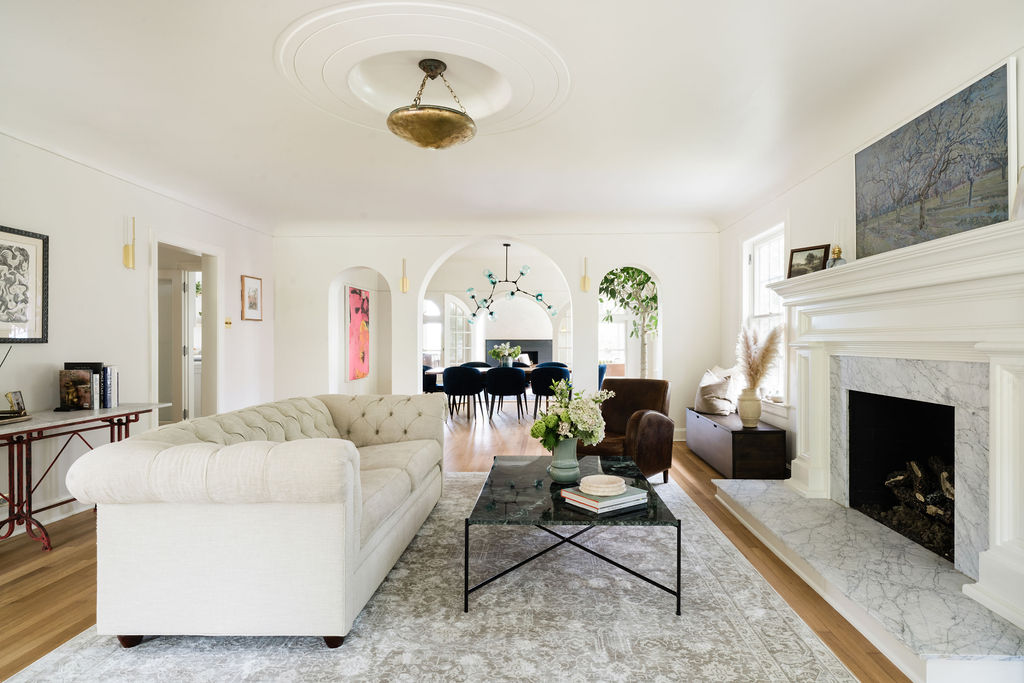
The goal is a home that looks and feels like what it is, an older Austin home with real character, while functioning at the standard a modern household expects.



-
- SkellyTravisHeightsDigs
Skelly Build’s Work in Austin’s Older Neighborhoods
Skelly Build has spent years working in the neighborhoods where these projects live. Rosedale, Cherrywood, Hyde Park, Bouldin Creek, Barton Hills are all areas where we have served clients, built relationships, pulled permits, and worked through exactly the kind of surprises described above.
The Rosedale Residence project (completed October 2025) and Cherrywood Home project (completed May 2025) are recent examples of the Skelly’s work in older homes, each with custom scopes developed around the homes with specific history, specific materials, and specific design directions.
Check out our portfolio of work on historic homes here.
Skelly’s in-house permitting capability matters especially in older neighborhoods, where permit requirements can be more layered than in newer construction. Our esimtation accuracy reflects important pre-construction discovery work because in older homes, surprises on the job site are expensive. The best way to manage them is to find them before construction starts, not during.
Skelly Built, our in-house cabinetry shop, is also a special advantage in historic renovations where standard off-the-shelf cabinetry won’t fit the proportions or the style of the original home.
Frequently Asked Questions
Do I need special permits to renovate an older home in Austin if it’s not in a historic district?
If your home is not a designated Historic Landmark and is not located within a designated Historic District or National Register District, standard City of Austin building permits apply rather than historic review requirements. That said, older homes often require more extensive permit scopes, electrical upgrades, foundation work, structural changes, than newer homes do. Make sure to find an experienced builder who handles permitting as part of the project, not as an afterthought.
How do I find out if my Austin home has a historic designation?
The City of Austin offers a Historic Property Viewer tool on its website. You can also contact the Historic Preservation Office directly at 512-974-3393 or visit austintexas.gov/department/historic-preservation. If you are working with Skelly Build, verifying designation status is part of our pre-construction process.
How long does a historic home renovation in Austin typically take?
Timeline depends on scope, but older homes consistently take longer than comparable projects in newer construction, because discovery work, material sourcing for period-appropriate replacements, and the review process (if your home has a historic designation) all add time. A kitchen renovation in a 1940s bungalow is a different project from the same footprint in a 2010 build. Planning for that reality from the start produces better outcomes than treating it as a surprise.
SkellyTravisHeightsDigs
Ready to Talk About Renovating Your Austin Historic Home?
If you own an older home in Austin and are thinking about what a renovation would actually involve, the best first step is a conversation with a builder familiar with this kind of work in these neighborhoods.
Skelly Build is a woman-owned custom home builder and remodeler based in Austin. We have had experience working on historical homes in Hyde Park, Rosedale, Cherrywood, Tarrytown, Bouldin Creek, and Barton Hills.
We care for people and their spaces.
Let’s talk about your project.
- Phone: 512.520.5523
- Email: letsbuild@skellybuild.com
- Office: 4361 S Congress Ave #104, Austin, TX 78745
- Contact us at skellybuild.com