
Outdoor decks extend usable living space beyond the interior of the home. When planned correctly, they support dining, seating, entertainment, and day-to-day outdoor use while remaining practical and easy to maintain. Decorating a deck involves more than adding furniture or accessories. Layout, lighting, material selection, and circulation all contribute to how the space functions over time.
A well-designed deck should feel connected to the home while remaining durable enough to handle weather exposure and regular use. The right upgrades improve usability during both daytime and evening hours while helping the deck remain organized and functional throughout the year.
Start with a Functional Deck Layout
Before adding decorative features, the layout should support how the deck will actually be used. Seating, dining, and open movement areas should be planned carefully to avoid overcrowding. Larger decks can support multiple zones, while smaller spaces often perform better with one defined gathering area.
Furniture should remain proportional to the deck size. Oversized seating arrangements can limit movement and reduce flexibility. Built-in benches and storage seating often work better because they improve functionality without taking up additional space.
The transition between the deck and the interior of the home should also remain clear. Open access points and consistent material choices help create continuity between indoor and outdoor areas.
Using Outdoor Deck Lights for Better Visibility
Lighting is one of the most important elements in deck design. Proper outdoor deck lights improve visibility, increase safety, and allow the space to remain functional after sunset. Layered lighting works best because it supports both movement and atmosphere without overwhelming the area.
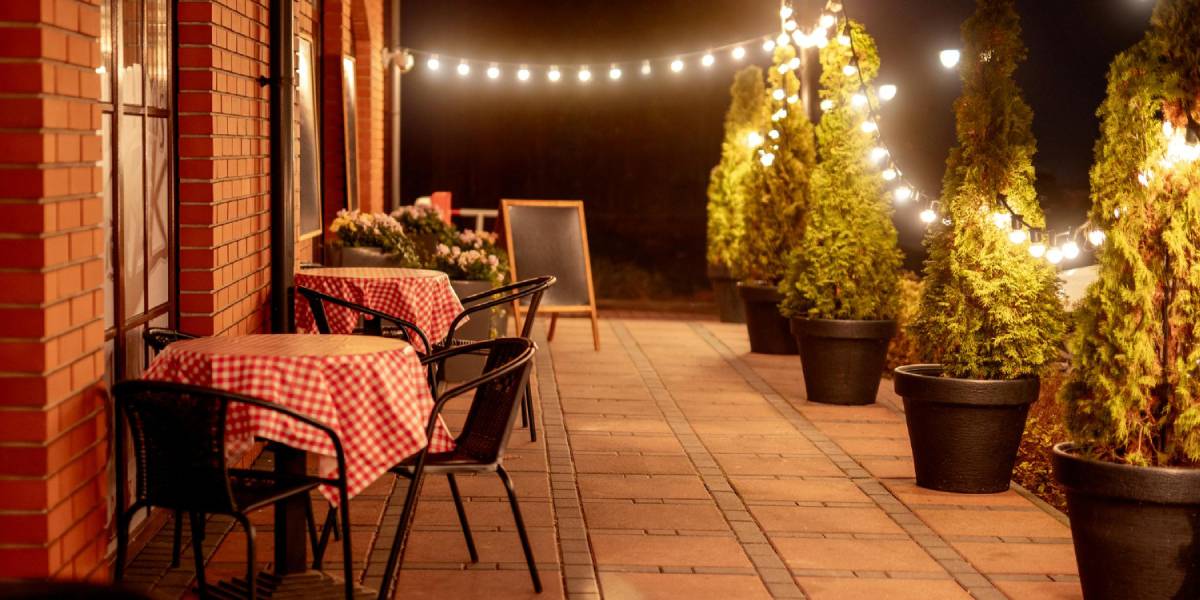
Wall-mounted fixtures, recessed lighting, and overhead string lights are commonly used to create balanced illumination. Lighting should be placed strategically to avoid glare while still covering key walkways and seating areas.
Well-positioned lighting also improves depth and definition across the deck, especially in larger outdoor spaces.
Lighting Deck Steps for Safety and Structure
Deck stairs require dedicated lighting to improve visibility and reduce safety risks during evening use. Effective lighting deck steps helps define transitions between levels while improving circulation across the deck.
Low-profile recessed lights, side-mounted fixtures, and integrated stair lighting are common solutions because they remain functional without disrupting the overall appearance of the deck. Even spacing between lights creates consistency while helping the stairs remain clearly visible at night.
This type of lighting becomes especially important for multi-level decks or spaces connected to pools and landscaping areas.
Lighting for Deck Railing and Perimeter Design
Railings are another important location for integrated lighting. Installing lighting for deck railing helps define the edge of the structure while improving visibility around seating and walking areas.
Post cap lights, recessed rail fixtures, and integrated LED systems help maintain a cleaner appearance while supporting evening use. A properly designed lighted deck railing also improves safety by outlining boundaries without requiring excessive brightness.
Keeping railing lighting subtle prevents visual clutter while still improving usability throughout the deck area.
Decking Lighting and Material Integration
Modern decking lighting systems are often integrated directly into the deck structure. Recessed floor lights and concealed fixtures improve visibility without interrupting movement or furniture placement.
Lighting should always be coordinated with deck materials during planning. Wood, stone, and composite surfaces reflect light differently, which affects overall brightness and visibility. Proper placement ensures lighting remains functional without creating uneven shadows across the deck surface.
Material consistency between lighting fixtures and the deck structure also improves the overall appearance of the space.
Composite Decking Lights for Modern Outdoor Spaces
Many homeowners now use composite decking because of its durability and lower maintenance requirements. Integrated composite decking lights work well within these systems because wiring and fixtures can often be concealed within the structure itself.
Composite materials also handle weather exposure more effectively than many traditional surfaces, making them practical for long-term outdoor use. Lighting systems installed within composite decks help maintain a cleaner finish while reducing exposed wiring and hardware.
This approach works particularly well for decks designed around evening entertainment or outdoor dining.
Lights for Pool Deck Areas
Pool areas require additional attention to visibility and safety. Installing proper lights for pool deck spaces improves movement around wet surfaces while helping define pathways and seating zones.
Lighting placement around pools should remain balanced. Excessive brightness creates glare on water surfaces, while insufficient lighting reduces visibility and safety. Recessed perimeter lights, pathway fixtures, and low-profile deck lighting usually provide the best results.
Materials used around pool decks should also be slip resistant and moisture durable to maintain long-term performance.
Decorative Elements That Improve Functionality
Decorating a deck should not reduce usable space. Accessories and decorative features should support function while maintaining open circulation areas. Planters, outdoor rugs, and weather-resistant seating can add texture without overcrowding the layout.
Shade structures also improve comfort during warmer months. Pergolas, umbrellas, and covered sections allow the deck to remain functional throughout different seasons. Storage benches and integrated cabinets help maintain organization while reducing clutter.
The goal is to create a space that remains practical for regular use rather than relying only on decorative detail.
Connecting the Deck to the Home
Decks work best when they feel integrated with the rest of the property. Coordinating materials, finishes, and lighting between indoor and outdoor spaces helps maintain continuity. Matching flooring tones, railing finishes, and architectural details creates a more connected appearance.
For homeowners working with home remodeling contractors in Austin, planning deck upgrades alongside interior renovations often produces better long-term results. Coordinated planning ensures that transitions, drainage, and material choices remain consistent across the property.
Long-Term Maintenance and Planning
Outdoor decks require materials and finishes that support long-term durability. Weather exposure, moisture, and temperature changes all affect how the structure performs over time. Choosing durable decking materials, protected lighting systems, and moisture-resistant finishes reduces maintenance and extends usability.
Drainage planning is equally important. Water accumulation can damage both deck materials and lighting systems if surfaces are not graded properly. Regular maintenance and inspections help preserve structural condition and overall functionality.
Final Thoughts on Decorating Outdoor Decks
Decorating an outdoor deck involves balancing lighting, layout, and material selection to support daily use and long-term durability. From properly placed outdoor deck lights to integrated composite decking lights, every element should improve how the space functions rather than simply adding decoration.
Using effective lighting for deck railing, practical lighting deck steps, and properly positioned lights for pool deck areas helps create outdoor spaces that remain safe, organized, and functional throughout the year.