
Austin has become one of the most ADU-friendly cities in Texas, and that’s not an accident. Between the city’s 2019 decision to remove the owner-occupancy requirement and a series of code changes that followed, Austin has made it genuinely easier to build a second unit on your property than almost anywhere else in the state.
That shift has moved ADUs from a niche project to one of the most common conversations we have with Austin homeowners. People want to add rental income. They want a guest house. They want their parents close but not in the same house. Whatever the reason, the path from “I want to build an ADU” to breaking ground is more straightforward than most people assume (if you know what you’re doing)!
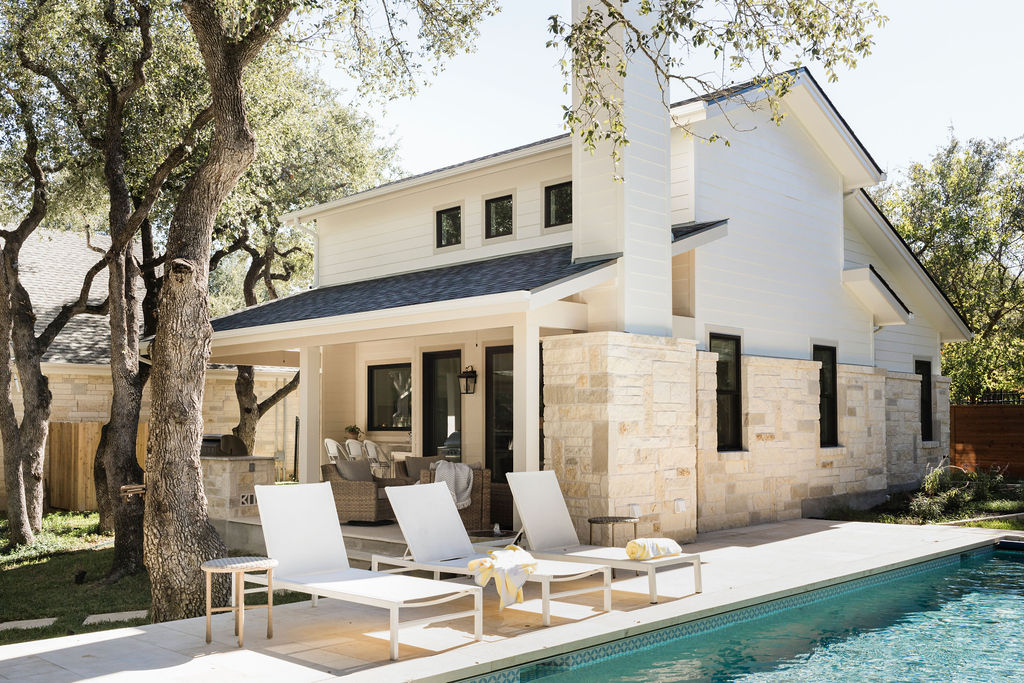
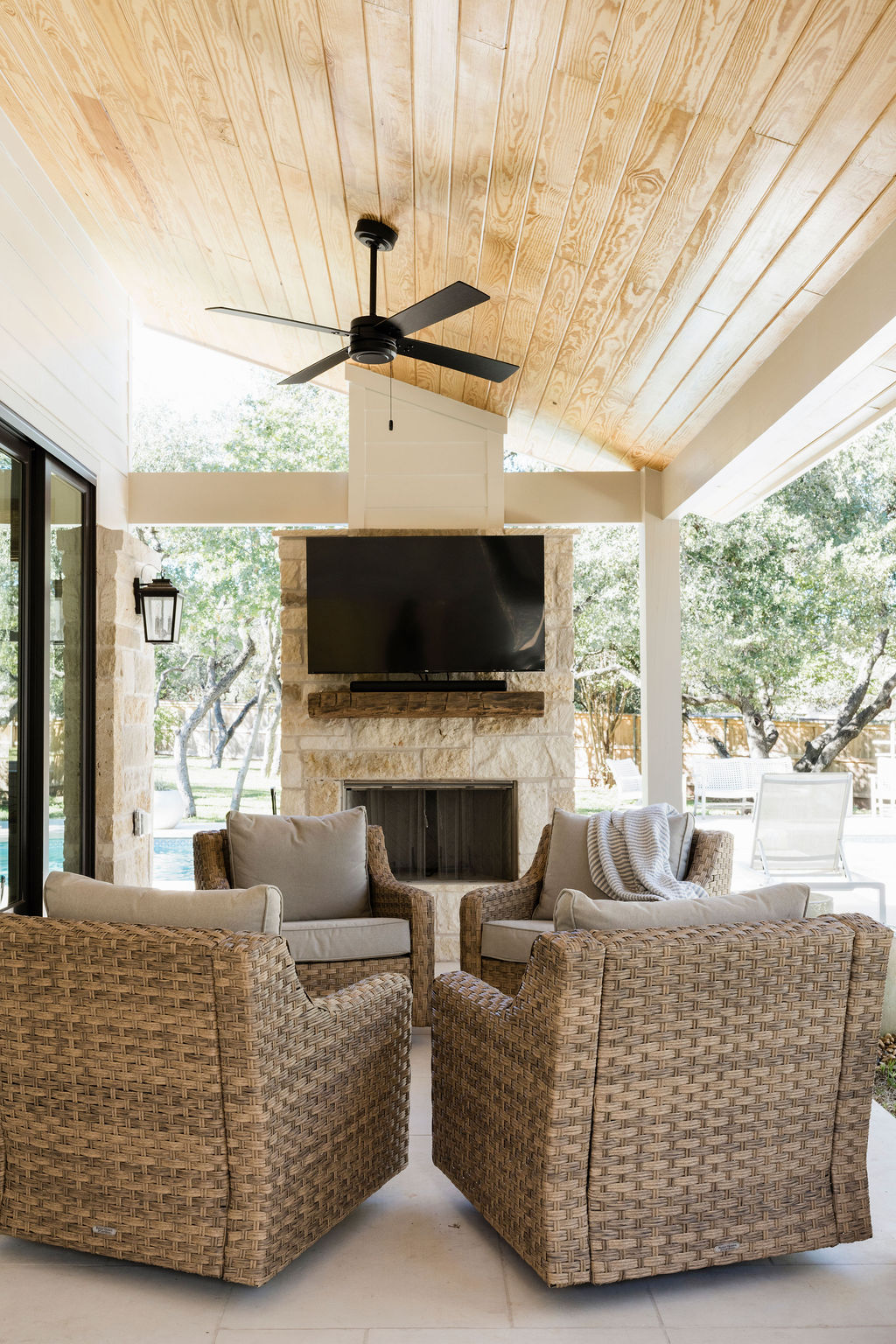
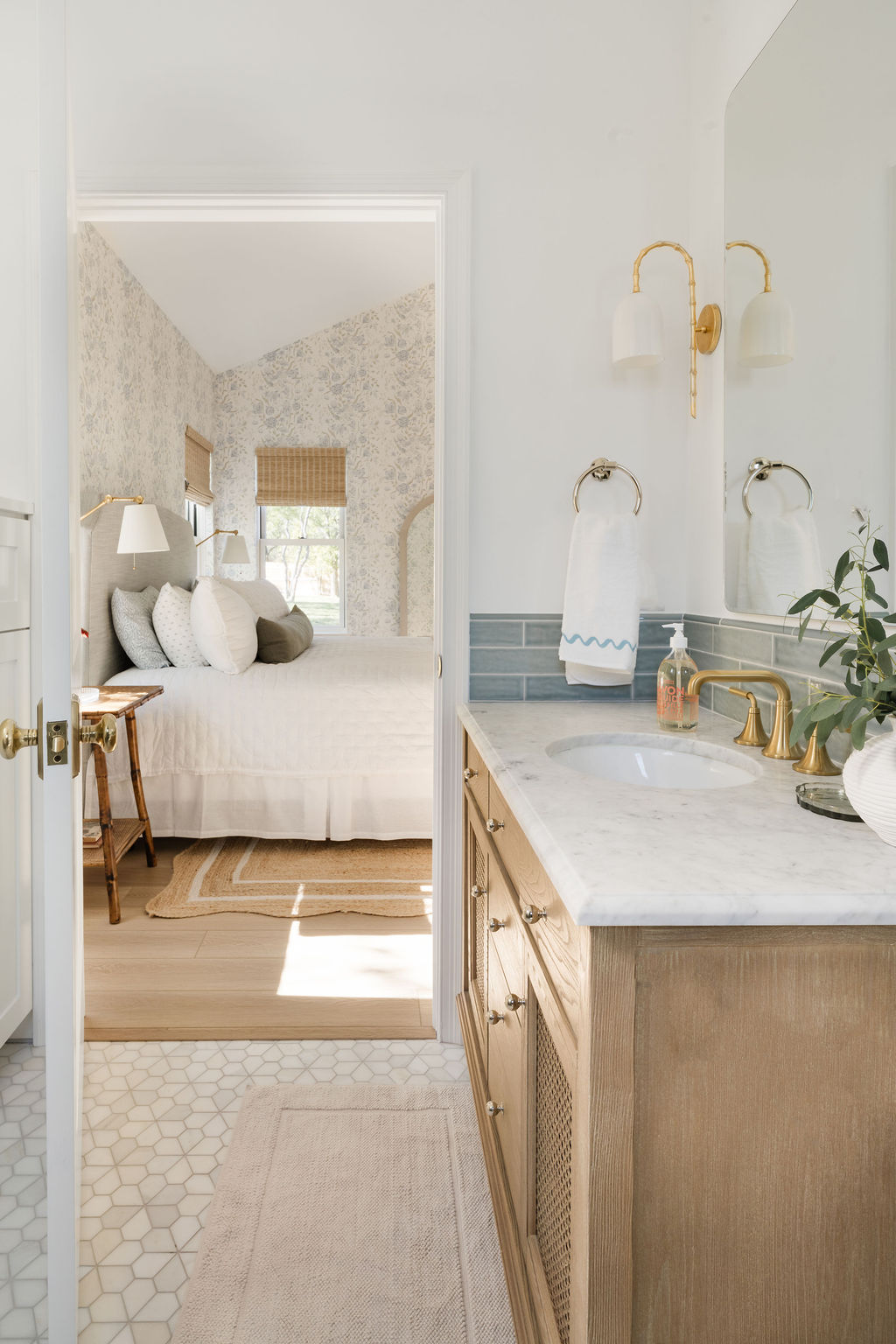
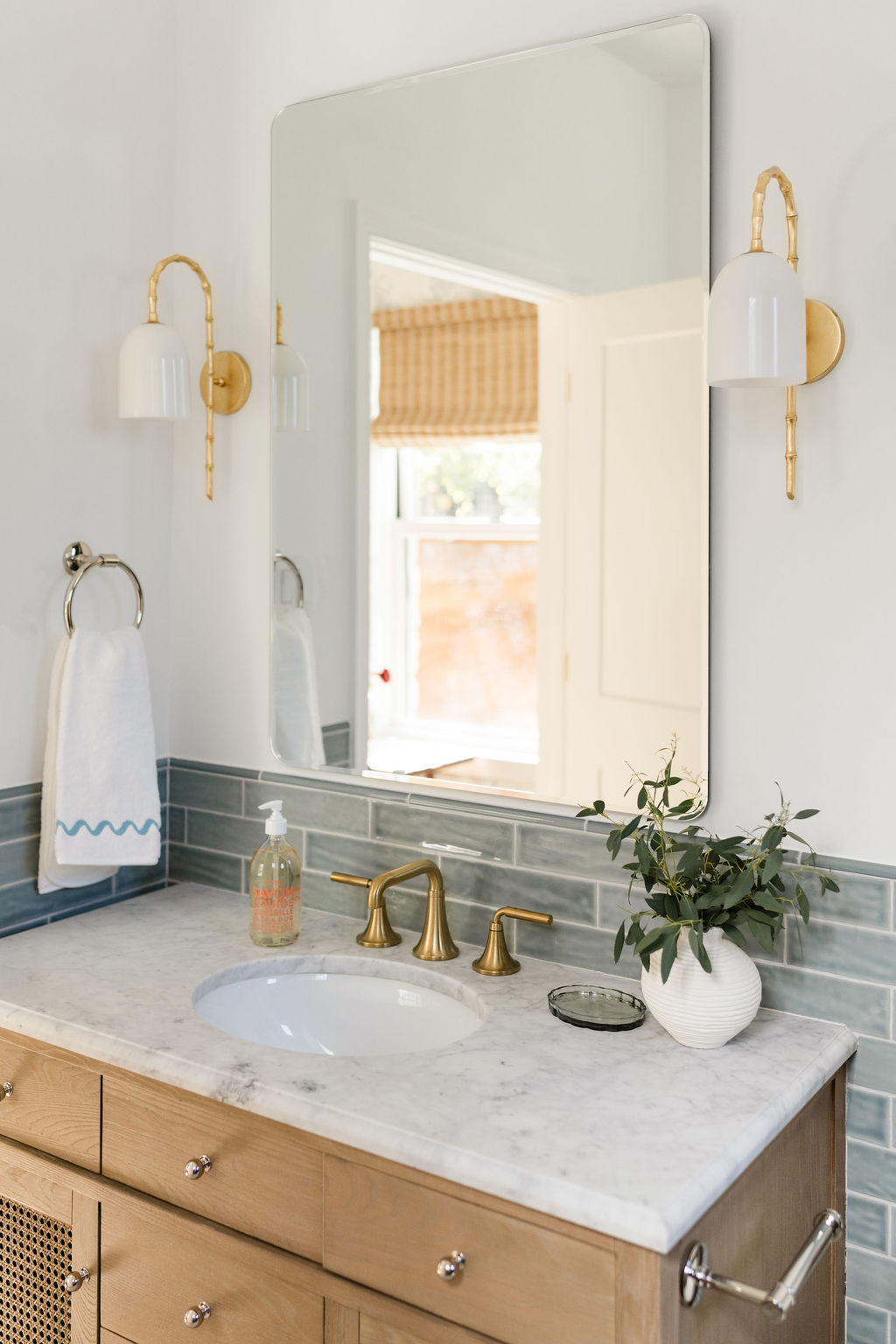
We built the Bee Caves ADU Guest House from the ground up last year. Not a conversion, not a garage addition, but a full new structure on a lot that had nothing there before. Let’s discuss how this process actually works in Austin…
But First, What Is an ADU?
An accessory dwelling unit is a secondary residential unit on the same lot as a primary home. It has its own entrance, kitchen, and bathroom and functions as a fully independent living space. In Austin, you’ll see four common types:
Detached ADU: A freestanding structure separate from the main house. Most flexible for design, most private for occupants. This is what we built in Bee Caves, a complete guest house with no shared walls.
Attached ADU: Connected to the main home but with a separate entrance. Common when lot size limits where you can build.
Interior ADU: A secondary unit carved out of existing square footage inside the main home, a basement apartment, a converted attic, etc. Least disruptive to build, smallest footprint, most limited in design.
Which type makes sense depends on your lot, your goals, and what the Austin Land Development Code allows for your specific property.

Austin ADU Rules: What the Code Actually Allows
Austin’s ADU ordinance is permissive by Texas standards, but it has specifics you need to understand before you design anything.
Size: Under Austin’s HOME Initiative, most standard single-family lots are now eligible for up to 1,100 square feet of ADU living space, subject to overall impervious cover limits for your lot. The older “15% of lot area” rule that you may see referenced on other sites has been largely superseded; don’t let outdated information shrink your project before you’ve talked to a builder.
Multiple units: Austin now allows up to three residential units on a standard single-family lot. That means a primary home, an ADU, and in some cases a third unit, all on one property. This is one of the most significant changes in Austin’s recent land use code and one that most homeowners don’t know about. If your long-term goal is maximizing the use of your lot, it’s worth exploring what’s possible before you design for just one unit.
Setbacks: Detached ADUs must maintain setbacks from property lines, typically 5 feet from the rear and side lot lines, though this varies by zoning district. Some older Austin neighborhoods have deed restrictions that override city code entirely.
Height: Most detached ADUs are limited to two stories. Exact height limits depend on your zoning and proximity to neighboring structures.
Owner-occupancy: Austin removed its owner-occupancy requirement for ADUs in 2019. You no longer have to live on the property to build or rent an ADU.
A note on short-term rentals: If Airbnb or VRBO income is part of your plan, proceed carefully. Austin’s Type 2 Short Term Rental (STR) license (non-owner-occupied) is subject to neighborhood-level caps, and in most of the neighborhoods where we build (Bouldin Creek, Hyde Park, Cherrywood, and others), those caps have already been reached. A Type 2 license is not a reliable assumption. Long-term rental is the only income strategy you can actually plan around. Confirm your specific address’s eligibility with the City of Austin before making STR income part of your financial case for building.
Lot size: Austin has no minimum lot size requirement for ADUs on single-family residential lots, another reason Austin leads Texas in ADU construction.
The Austin ADU Permit Process
Every ADU in Austin requires a building permit through the Development Services Department (DSD). Here’s how the process typically flows:
Pre-application research: Before submitting anything, confirm your lot’s zoning, overlay districts, and any deed restrictions. Some lots have flood plain designations or heritage tree protections that constrain where you can build. This research should happen before design begins, not after.
Design and engineering: Your permit application needs construction drawings, site plan, floor plans, elevations, and structural details. For a detached ADU with a new foundation, this includes geotechnical input. Plan for 4–8 weeks for design depending on scope and complexity.
Permit submission and review: Austin DSD reviews for zoning compliance, building code, fire, and utility connections. Review timelines vary, straightforward applications on standard lots can move in 4–6 weeks. Complex lots, variances, or historic overlay districts take longer. Expedited review is available for a fee.
Inspections during construction: Permit approval triggers a series of required inspections, foundation, framing, rough-in (plumbing, electrical, HVAC), and final. No phase can proceed without sign-off on the prior one.
Certificate of Occupancy: At completion, DSD issues a Certificate of Occupancy. This is what makes the ADU legal to occupy and rent. Never skip this step.
We handle permitting in-house at Skelly Build. Alex Siminski, our Permitting Lead, manages the DSD submission process for every Skelly Build project, including the Bee Caves ADU. This is rarified air and not something every builder brings to the table.
Before You Build: What to Think Through First
Although a permit is the formal start, the real planning happens before you submit anything to the city.
Utility connections. Will your ADU share the main home’s water and electrical service, or get separate meters? Separate meters cost more upfront but simplify billing if you’re renting. Shared utilities are simpler to build but murkier to manage long-term. Your utility provider (Austin Energy, Austin Water) has specific requirements, so it’s important to get clarity early.
Site access and construction logistics. Building a detached ADU in an established backyard means getting equipment, materials, and crews through a gate or side yard. In dense Austin neighborhoods such as Bouldin Creek, Hyde Park, Cherrywood, this isn’t always simple. We assess site access in every pre-construction walkthrough.
Design compatibility with the main home. An ADU that looks like it landed from a different decade reads as an afterthought. The best ADUs we’ve seen and built feel like they belong on the property. Roofline, materials, and window proportions matter.
Your actual goal. Long-term rental, short-term rental, multigenerational living, home office, pool cabana or guest house? Each use case drives different decisions about size, bedroom count, kitchen spec, and privacy. Get specific about your goals before design begins.
What Skelly Build Brings to an ADU Project
An ADU is a complete construction project compressed into a smaller footprint, complete with foundation, framing, plumbing, electrical, HVAC, insulation, and finishes. It’s everything a full home build requires, on a tighter site with tighter logistics.
Our Bee Caves ADU Guest House was built from nothing, no existing structure, just a lot and a goal. From pre-construction through Certificate of Occupancy, our team managed every phase in-house, including permitting.
What does this mean for you? One point of contact from permit submission to move-in. No coordinating between a designer, a permit expediter, and a general contractor.
Skelly Build will also always be honest with you about your completion timeline. An ADU isn’t a weekend project. From signed contract to Certificate of Occupancy, expect four to eight months depending on permit timing, site conditions, and scope. Anyone quoting you a faster timeline without seeing your lot should be suspected for leaving something out.
Some Frequently Asked FAQs about ADUs!
Q: Do I need to live on my property to build an ADU in Austin?
A: No. Austin removed the owner-occupancy requirement for ADUs in 2019. You don’t need to live on the property to build an ADU. You can also rent it out for short-term or long-term leases without living there. Short-term rentals require a separate City of Austin STR license, and availability of Type 2 licenses varies by neighborhood. Confirm your address’s eligibility before designing around that use case.
Q: How big can an ADU be in Austin?
A: Up to 1,100 square feet or 15% of your lot area, whichever is smaller. For a standard 7,500 sq ft Austin lot, that’s about 1,100 square feet, enough for a comfortable one- or two-bedroom unit with a full kitchen and bathroom. Your specific zoning, overlay district, and any deed restrictions may impose tighter limits.
Q: How long does it take to build an ADU in Austin?
A: From signed contract to Certificate of Occupancy, plan for four to eight months. Design and permitting typically take eight to fourteen weeks before construction begins. Construction on a detached ADU runs ten to eighteen weeks depending on size and site conditions. Permit timing through Austin DSD is the variable most outside your control; we build it into the schedule from day one. Doing proper pre-construction planning, knowing the goal and sticking to the plan can all help to shorten project timelines.
Q: Can I build an ADU on any lot in Austin?
A: Most single-family residential lots in Austin qualify; there’s no minimum lot size requirement under current city code. But zoning district, flood plain designation, heritage tree protections, and deed restrictions can all affect what you can actually build and where. The first step is a site assessment, not a design. We do that assessment before we put any numbers on paper.
Ready to Find Out If Your Lot Works for an ADU?
The fastest way to get an honest answer is to walk your property with someone who’s built one.
At Skelly, we care for people and their spaces. That starts with telling you the truth before you commit to anything.
Schedule your ADU Consultation today! →
Skelly Build | 4361 S Congress Ave #104, Austin, TX 78745 | 512.520.5523 | letsbuild@skellybuild.com