
A patio does not need a large footprint to be functional. With the right layout, materials, and planning, smaller outdoor spaces can support seating, dining, and everyday use without feeling crowded. In many homes, patios become an extension of the interior, especially when the design connects naturally with the structure of the house. The key is making efficient use of available space while keeping the layout organized and easy to maintain.
Well-planned small patio design ideas focus on movement, comfort, and durability rather than adding unnecessary features. Every element should support how the space will actually be used on a daily basis.
Creating a Functional Small Patio Layout
The first step in designing a smaller outdoor area is building a practical small patio layout. The available square footage should be divided carefully to allow seating, circulation, and open movement without making the space feel restricted. Oversized furniture is one of the biggest mistakes in compact patios because it limits flexibility and reduces usable floor area.
Smaller seating arrangements, built-in benches, and multi-use furniture often work better in tighter spaces. Keeping walkways clear also improves usability and prevents the patio from feeling cluttered. Layout decisions should prioritize functionality first, allowing the space to remain comfortable during everyday use as well as gatherings.
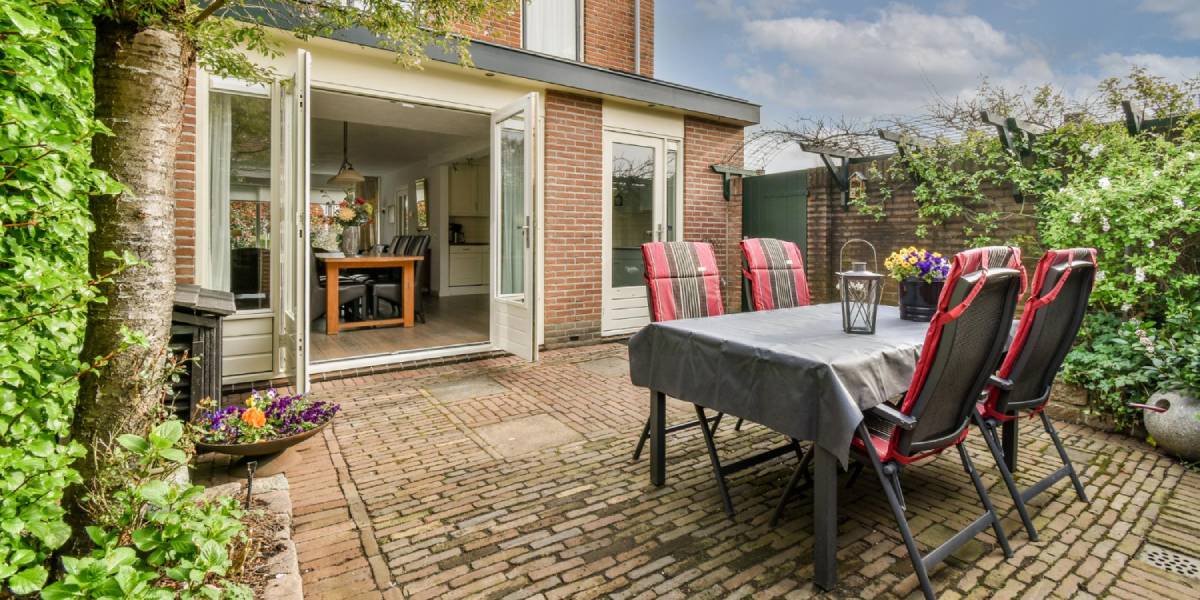
A strong layout also considers how the patio connects to the rest of the property. Open transitions between indoor and outdoor areas make the patio feel larger and more integrated with the home.
Cozy Patio Ideas for Small Spaces
Comfort is one of the most important factors in outdoor design. Many effective cozy patio ideas for small spaces rely on layering materials and textures rather than filling the area with decorative elements. Outdoor rugs, cushions, and warm lighting help create a more usable environment without adding unnecessary bulk.
Greenery can also improve the overall atmosphere of a compact patio. Planters, vertical gardens, and wall-mounted greenery soften hard surfaces while preserving floor space. In smaller layouts, vertical design solutions are often more effective than wide planting beds.
Shade is another important consideration, especially in Austin’s climate. Umbrellas, pergolas, and covered sections improve comfort during warmer months while allowing the patio to remain functional throughout the year.
Small Cozy Patio Ideas That Improve Daily Use
The best small cozy patio ideas combine comfort with practicality. Furniture should support regular use while remaining proportional to the size of the space. Foldable seating, built-in storage benches, and movable tables allow the patio to adapt to different needs without becoming overcrowded.
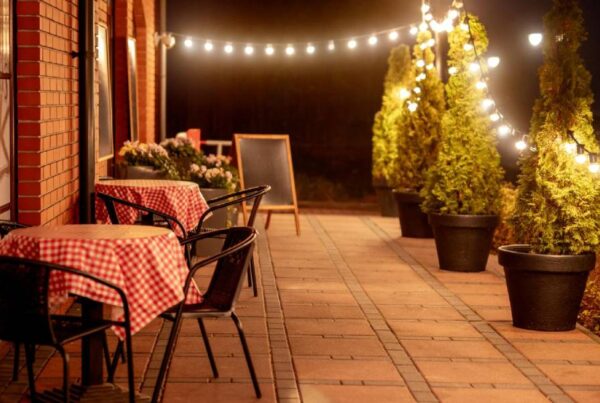
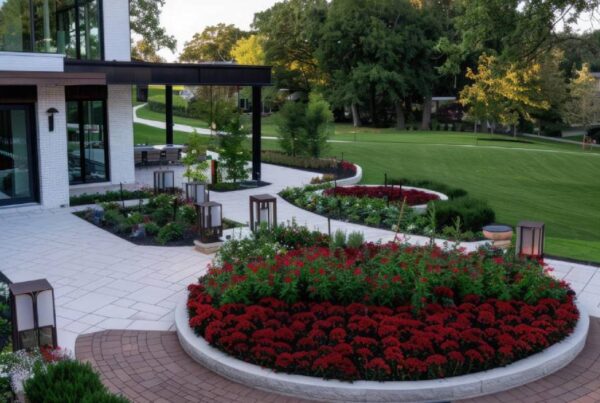
Lighting also changes how a patio functions. Wall-mounted fixtures, low-profile pathway lights, and string lighting can improve visibility while helping define separate sections of the patio. Keeping lighting simple prevents visual clutter and maintains a cleaner appearance.
Outdoor textiles also contribute to usability. Durable cushions and weather-resistant fabrics help maintain comfort while reducing maintenance requirements over time.
Material Selection for a Small Patio Design
Material choice has a major effect on both durability and visual consistency. A well-executed small patio design uses surfaces that handle weather exposure while remaining easy to maintain. Concrete pavers, textured stone, and large-format tiles are common options because they provide durability and support long-term outdoor use.
Using consistent materials across the patio creates continuity and helps compact spaces feel more open. Large-format surfaces with minimal grout lines reduce visual interruption and maintain a cleaner appearance. Lighter colors can also help reflect light and prevent the patio from feeling enclosed.
Drainage planning is equally important. Proper grading prevents water accumulation and helps protect surface materials from long-term wear.
Small Patio Design Ideas for Dining and Seating
Dining spaces can still work effectively in compact patios when layouts are scaled properly. Many small patio design ideas use corner seating, narrow tables, and built-in benches to preserve open movement areas. Furniture placement should allow enough room for circulation while maintaining practical seating capacity.
Instead of separating the patio into too many sections, smaller spaces often perform better with one clearly defined gathering area. This creates a more organized layout and prevents the space from feeling fragmented.
Built-in seating can also help maximize efficiency. Unlike standalone furniture, built-in elements reduce clutter and provide a more permanent structure to the patio design.
Storage and Organization for Small Patios
Storage becomes more important as patio size decreases. Outdoor accessories, cushions, gardening tools, and seasonal items all require designated space to avoid clutter. Integrated storage solutions such as bench compartments, vertical shelving, and weather-resistant cabinets help maintain organization without reducing usable floor area.
Keeping storage built into the overall design creates a cleaner and more functional patio environment. Organized spaces are easier to maintain and remain usable throughout changing seasons.
Connecting the Patio to the Home
Outdoor areas function best when they feel connected to the home rather than separate from it. Matching materials, finishes, and transitions between indoor and outdoor areas creates continuity throughout the property. Sliding doors, aligned flooring patterns, and coordinated color palettes help strengthen this connection.
For homeowners working with home renovation contractors in Austin, planning outdoor upgrades alongside interior renovations often creates more consistent results. Coordinating materials and layouts early in the process also reduces unnecessary changes later during construction.
Seasonal Planning and Long-Term Maintenance
Seasonal weather should influence patio planning from the beginning. Heat-resistant materials, proper drainage, and shaded seating help maintain usability during warmer months. Durable finishes and low-maintenance landscaping reduce long-term upkeep while improving overall performance.
Furniture selection should also account for exposure to moisture and sun. Choosing weather-resistant materials extends the lifespan of outdoor elements and reduces replacement costs over time.
Common Mistakes in Small Patio Design
Overcrowding remains one of the most common issues in compact patios. Adding too many decorative features or oversized furniture pieces limits movement and makes the space harder to use. Simpler layouts generally perform better because they prioritize function over unnecessary detail.
Ignoring lighting and drainage can also create problems later. Without proper planning, patios may become difficult to use during evenings or experience maintenance issues after heavy rain.
A balanced approach that prioritizes layout, circulation, and durable materials usually produces better long-term results.
Final Thoughts on Small Patio Design Ideas
Well-planned small patio design ideas improve outdoor functionality without requiring excessive space. A practical small patio layout, thoughtful materials, and efficient seating arrangements help compact patios remain comfortable and organized throughout the year.
By combining effective cozy patio ideas for small spaces with durable construction and practical planning, smaller patios can support dining, relaxation, and everyday outdoor use while remaining easy to maintain over time.