
Small bathrooms require a clear approach to layout, materials, and installation. Limited space makes every decision more important, from fixture placement to storage and surface finishes. A well-planned small bathroom renovation improves movement, reduces clutter, and ensures the space works efficiently for daily use. With the right adjustments, even compact bathrooms can be practical and well organized without expanding the footprint.
This guide covers layout strategies, material choices, and practical upgrades that improve usability and long-term performance.
Start with a Compact Bathroom Design Layout
The first step in any small bathroom upgrade is creating a compact bathroom design layout. The layout determines how the space functions, so it needs to be planned around movement, accessibility, and fixture placement. Keeping plumbing lines aligned reduces construction complexity and avoids unnecessary cost.
Wall-mounted sinks, floating vanities, and recessed storage help free up floor space. Positioning fixtures along a single wall can simplify installation and improve flow. A clear layout ensures the room remains usable without feeling crowded.
Small Bathroom Designs with Shower and Toilet
Many projects involve small bathroom designs with shower and toilet within a limited footprint. In these cases, choosing the right shower configuration is critical. Walk-in showers with clear glass panels help maintain visual openness, while sliding doors reduce the space required for entry.
Keeping the shower and toilet aligned allows for a more efficient use of space. Compact fixtures and consistent materials across surfaces help create a more unified layout, making the bathroom feel larger than its actual size.
Small Bathroom Layout with Shower and Bath
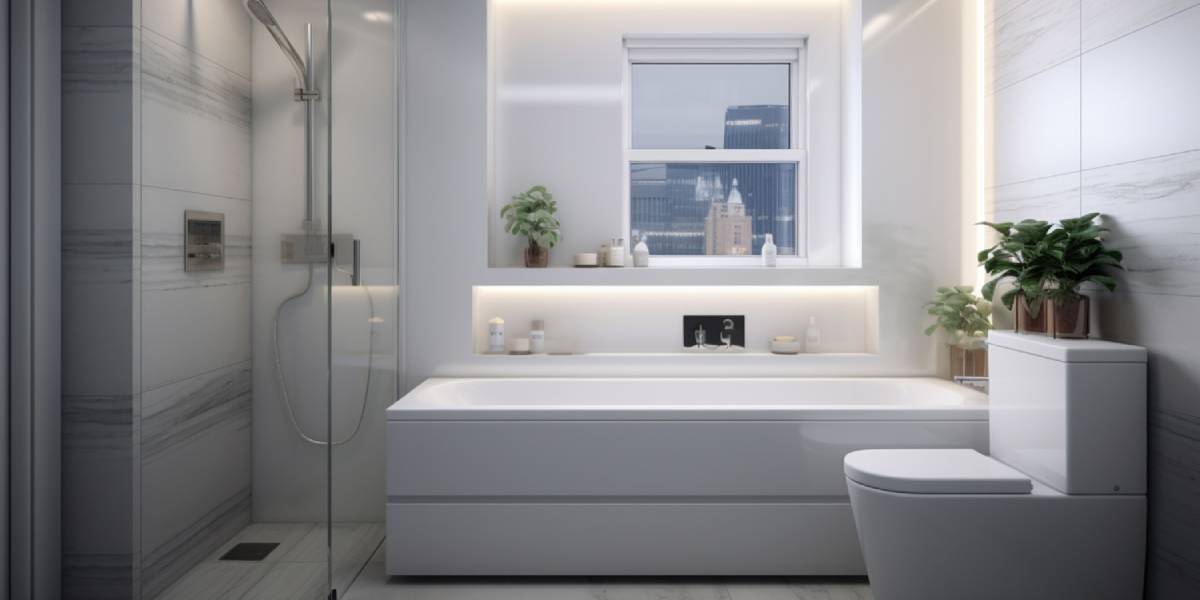
When both features are required, a small bathroom layout with shower and bath needs careful planning. Combining a bathtub with an overhead shower is often the most practical solution. This setup provides flexibility without increasing the footprint.
Compact tubs, integrated fixtures, and simple layouts help maintain balance. Proper spacing between elements ensures that the room remains functional and easy to use. This approach is commonly used in homes where maximizing utility is more important than adding separate zones.
Wall Tile Ideas for Small Bathroom Renovations
Surface selection plays a key role in shaping how the space feels. Using effective bathroom wall tiles ideas for small bathrooms can improve both appearance and maintenance. Larger tiles with fewer grout lines create a cleaner look and reduce visual breaks.
Light colored tiles reflect more light and help the room feel open. Vertical tile placement can make ceilings appear higher, while consistent finishes across walls and shower areas improve continuity. Simple patterns work better in smaller spaces, as they reduce visual clutter.
Bathroom Floor Ideas for Small Bathrooms
Flooring must balance durability and practicality. The right bathroom floor ideas for small bathrooms focus on slip resistance, water handling, and visual consistency. Using similar materials across the bathroom and shower area helps create a continuous surface.
Neutral tones and minimal patterns work best in compact layouts. Proper slope and drainage planning are essential to prevent water issues over time. Durable materials reduce maintenance and ensure long-term performance.
Tiny House Bathroom Ideas That Maximize Space
Lessons from compact living can be applied to standard homes. Many tiny house bathroom ideas focus on maximizing space through efficient design. Corner sinks, wall-mounted fixtures, and built-in storage allow more usable area within the same footprint.
Using mirrors, proper lighting, and minimal detailing improves visibility and openness. Keeping surfaces clear and organized makes the space easier to maintain. These ideas are useful for any small bathroom where space is limited.
Storage Solutions That Work in Small Bathrooms
Storage planning is critical in small bathrooms. Without proper storage, even a well-designed layout can feel cluttered. Vertical cabinets, recessed wall niches, and under-sink storage provide practical solutions without taking up additional space.
Open shelving can be used when kept minimal and organized. Planning storage early in the renovation ensures that everything has a defined place, which improves long-term usability.
Lighting and Ventilation Considerations
Lighting and ventilation are often overlooked but play a major role in functionality. Layered lighting, including overhead and task lighting, improves visibility and makes the space easier to use. Proper ventilation helps control moisture and prevents long-term damage.
Natural light, when available, should be maximized. If not, well-placed fixtures can replicate a similar effect. These elements contribute to both comfort and durability.
Material Selection and Build Quality
Choosing the right materials ensures that the bathroom performs well over time. Moisture-resistant finishes, quality fixtures, and proper installation methods reduce the risk of damage. Simpler designs are often easier to maintain and less prone to wear.
Consistent material selection across surfaces helps create a clean and organized look. Durable finishes ensure that the space remains functional with minimal maintenance.
Planning a Small Bathroom Renovation in Austin
Every renovation benefits from structured planning and coordination. For homeowners considering bathroom renovation in Austin, working with a team that understands layout efficiency and construction sequencing helps ensure better results.
Planning should include layout finalization, material selection, and scheduling before construction begins. This reduces delays and keeps the project organized from start to finish.
Final Thoughts on Small Bathroom Renovation
Renovating a small bathroom requires attention to layout, materials, and execution. From creating a compact bathroom design layout to selecting the right bathroom wall tiles ideas for small bathrooms, each decision affects usability and long-term performance.
Applying practical solutions, and space-saving ideas helps maximize functionality. With proper planning and coordinated construction, small bathrooms can be transformed into efficient spaces that support daily use.