Skip to main content

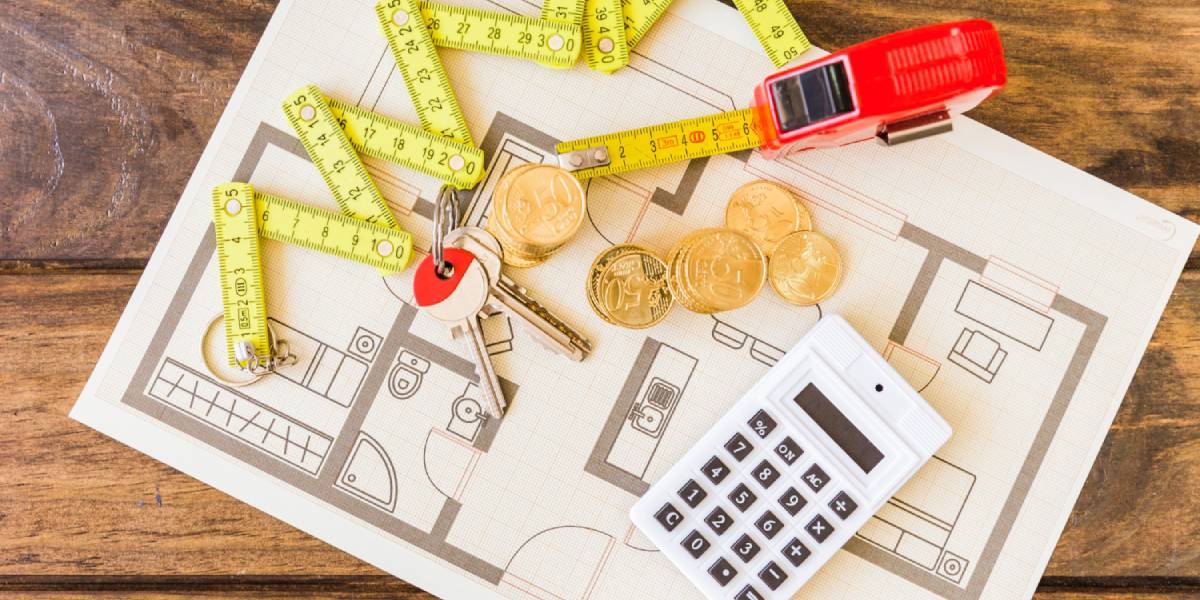
Planning a renovation project in Austin requires more than design ideas and contractor selection. Budget clarity is what determines whether a project runs smoothly or becomes stressful. In 2026, rising material prices, skilled labor demand, permit requirements, and design complexity all influence the home renovation cost for local homeowners. Understanding realistic numbers helps set expectations and avoid surprises.
This guide explains home renovation pricing in Austin with a practical, generalized breakdown so you can plan with confidence and make smarter investment decisions.
What Shapes Home Renovation Cost in Austin
Several factors determine the final home remodeling cost. Square footage is only one part of the equation. The scope of work, structural changes, finish level, and trade requirements all affect the budget. Kitchen and bathroom projects cost more per square foot than living areas because they involve plumbing, electrical, cabinetry, and specialty materials.
Permit requirements in Austin also influence timelines and cost. Projects that modify structure, layout, or mechanical systems require approvals and inspections. Labor rates in Central Texas have also increased due to demand for experienced trades, which impacts the average renovation cost across most project types.
Average Renovation Cost Ranges in 2026
For planning purposes, homeowners in Austin can expect the cost to renovate home spaces to fall into three broad tiers.
Light cosmetic updates such as paint, flooring, fixtures, and surface upgrades often range from moderate budgets per room. Mid level renovations that include partial layout changes, cabinet replacement, and system upgrades typically move into higher five figure ranges. Full scale remodels with structural work, premium finishes, and custom elements reach premium investment levels.
These ranges reflect typical cost of home improvements in the Austin market for 2026 conditions, assuming licensed contractors and permitted work.
Renovation Cost Per Square Foot in Austin
One of the most useful planning metrics is renovation cost per square foot. While exact numbers vary by finish level and complexity, generalized ranges help early budgeting.
Cosmetic renovations often fall into lower per square foot ranges. Mid grade remodels with trade work and upgraded materials land in the middle range. High end or luxury renovations with custom millwork, structural changes, and premium products reach the top end of the per square foot scale.
Kitchen and bathroom remodels usually exceed whole home averages because they concentrate high cost components in smaller areas. When estimating home renovation pricing, always separate specialty rooms from general living space.
Room by Room Budget Expectations
Kitchens remain the highest ticket renovation category. Cabinetry, countertops, appliances, plumbing, and electrical upgrades drive the home remodeling cost upward. Layout changes add further expense due to mechanical relocation.
Bathrooms follow closely behind. Tile work, waterproofing, fixtures, and ventilation upgrades add labor intensity and material cost. Primary bathrooms with custom showers and double vanities require higher budgets than guest baths.
Living rooms, bedrooms, and offices usually cost less to renovate unless walls are removed or windows are replaced. Flooring, lighting, and built ins are the main drivers in these spaces.
Outdoor living upgrades such as covered patios and exterior improvements are increasingly popular and should be included when evaluating total cost of home improvements.
Affordable Home Renovation Without Cutting Corners
An affordable home renovation does not mean choosing the cheapest bid. It means aligning scope, materials, and design with long term value. Smart cost control comes from early planning, accurate estimating, and value based material selection.
Working with an experienced design build contractor helps identify where to invest and where to save. Adjusting finish selections, simplifying structural changes, and phasing projects can reduce the average renovation cost without sacrificing quality or performance.
Why Early Planning Protects Your Budget
The biggest cost overruns come from mid project changes. When design decisions are incomplete before construction starts, change orders increase. That directly impacts home renovation cost and schedule.
A structured preconstruction process that includes design review, trade input, and detailed pricing protects homeowners. It converts rough ideas into defined scope and realistic home renovation pricing before work begins.
Building Value Through Professional Execution
Renovation is not only about appearance. It is about durability, safety, and resale value. Proper permitting, code compliant work, and quality craftsmanship protect your investment. Cutting corners on structure, waterproofing, or electrical systems increases long term risk and future repair cost.
Homeowners planning a Home renovation in Austin, TX should prioritize experienced builders like Skelly Build, who combine planning discipline with execution quality. That approach controls the cost to renovate home while delivering lasting results.
Final Thoughts on Renovation Budgets
Austin continues to be an active renovation market. Demand, material pricing, and skilled labor availability all shape the renovation cost per square foot in 2026. While exact numbers vary by project, homeowners who plan early, define scope clearly, and work with qualified professionals achieve the best budget outcomes.
A realistic understanding of home remodeling cost helps you plan smarter, invest wisely, and avoid mid project surprises.